
why is my water heater popping
Causes, solutions and when to call a professional
Expert Answer
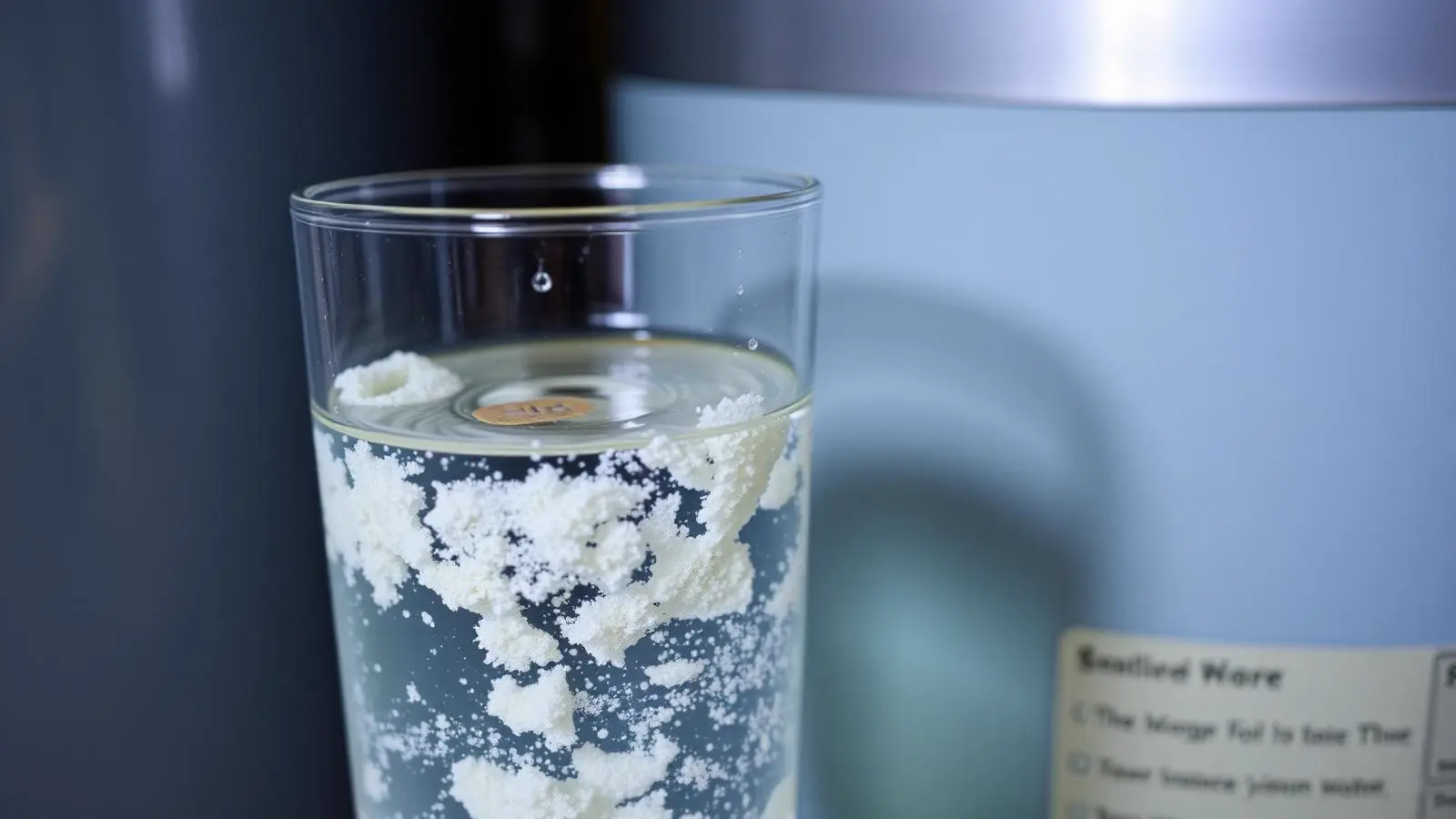
Popping is steam escaping through sediment on the tank floor or scale coating the heating elements. Water trapped under the deposit boils and bursts upward, producing the pop. A tank flush resolves it in most cases for $0–$225.
How Serious Is This?
Usually Manageable
Monitor it and run the safe checks below before spending money.
Inspection Recommended
Have a professional look at it soon to prevent damage or failure.
This is the level for this problem: Repair soon.
Potentially Serious
Stop using the appliance and get professional help right away.
Most Likely Causes
- 1Sediment layer on the tank floor (gas and electric)
- 2Scale coating on electric heating elements
- 3Gas burner popping from carbon or scale deposits
Safe Homeowner Checks
Drain the first half-gallon from the drain valve into a clear container at the start of a flush and inspect it before continuing.
Takes: 5 min · Tools: Clear container or bucket
Drain the first half-gallon from the drain valve into a clear container at the start of a flush and inspect it before continuing.
Expect: Clear water with no visible particles.
What it means: Gray, tan, or gritty sediment in the first draw confirms the popping's source.
Next step: Continue a full flush until water runs clear; repeat within a week if heavily loaded.
With power on, listen with an ear near the upper panel, then the lower panel, during a heating cycle to localize which element area is popping.
Takes: 4 min · Tools: None
With power on, listen with an ear near the upper panel, then the lower panel, during a heating cycle to localize which element area is popping.
Expect: Even, minimal sound from both panels.
What it means: Popping concentrated at one panel points to scale on that specific element.
Next step: Shut off breaker power and have a technician inspect and descale or replace the affected element.
Never open an access panel with power connected — 240V is present at the terminals.
After a routine flush, run one more heating cycle and note whether the sharp popping persists at the same intensity.
Takes: 8 min · Tools: None
After a routine flush, run one more heating cycle and note whether the sharp popping persists at the same intensity.
Expect: Noticeably quieter cycle after a flush.
What it means: Persistent sharp popping despite a flush suggests scale directly on the burner assembly rather than the tank floor.
Next step: Have a gas appliance technician inspect and clean the burner assembly.
Need Help With a Water Heater Popping?
A qualified licensed plumber or water-heater technician can confirm the cause on site, check the safety controls, and quote the repair before the problem gets more expensive.
Fast Request • Local Matching • No Obligation
Popping is the water heater's most distinctive sound — a series of small snaps or cracks rather than a hiss, hum, or bang. Mechanically, it's almost always the same thing regardless of fuel type: water superheating under a layer of debris and bursting through it. This page covers the two variants — sediment on the tank floor (gas units) and scale on the heating elements (electric units).
Every likely cause, ranked
- #1
Sediment layer on the tank floor (gas and electric)
Most common causeCalcium and magnesium carbonate precipitate out of hot water and settle to the lowest point of the tank. Over 2–4 years without a flush, this can build to a quarter-inch or more. Water trapped beneath and within the layer flashes to steam when the burner or lower element fires, and the steam pockets pop through the crust as they rise.
It's the default explanation for popping on any tank that hasn't been flushed annually, gas or electric, since sediment collects at the bottom regardless of heat source.
Exact symptoms
- Series of small pops or cracks during heating, not one loud bang
- Noise starts within the first few minutes of a heating cycle
- Tank has not been flushed in the last 12 months or longer
Self-test (5 min) — tools: Clear container or bucket
Drain the first half-gallon from the drain valve into a clear container at the start of a flush and inspect it before continuing.
Expect: Clear water with no visible particles.
What it means: Gray, tan, or gritty sediment in the first draw confirms the popping's source.
Next step: Continue a full flush until water runs clear; repeat within a week if heavily loaded.
DIY-eligible · DIY $0–$40 · Pro $100–$225 · 45–90 minutes
- #2
Scale coating on electric heating elements
On electric units, mineral scale bakes directly onto the immersion element's metal sheath. Water in direct contact with the superheated scale surface boils faster than it can circulate away, and the resulting steam bubbles pop as they escape the scale's surface texture.
On electric water heaters in hard-water areas, popping localized near the element panels — rather than a general tank rumble — points specifically at element scale rather than floor sediment.
Exact symptoms
- Popping localized near the upper or lower access panel
- Electric water heater
- Hard water area or no water softener
Self-test (4 min) — tools: None
With power on, listen with an ear near the upper panel, then the lower panel, during a heating cycle to localize which element area is popping.
Expect: Even, minimal sound from both panels.
What it means: Popping concentrated at one panel points to scale on that specific element.
Next step: Shut off breaker power and have a technician inspect and descale or replace the affected element.
Never open an access panel with power connected — 240V is present at the terminals.
Professional repair · DIY Not recommended DIY · Pro $150–$300 · 1 hour
- #3
Gas burner popping from carbon or scale deposits
On gas models, sediment above the burner plate creates the same trapped-steam effect but closer to the direct flame, sometimes producing a sharper, higher-pitched pop than the deeper rumble of general tank sediment.
Less common than floor-wide sediment but relevant on gas units with a glass-lined burner chamber where scale accumulates specifically above the flame area.
Exact symptoms
- Sharp, higher-pitched popping specifically at burner ignition
- Gas water heater
- Occurs even shortly after a routine flush
Self-test (8 min) — tools: None
After a routine flush, run one more heating cycle and note whether the sharp popping persists at the same intensity.
Expect: Noticeably quieter cycle after a flush.
What it means: Persistent sharp popping despite a flush suggests scale directly on the burner assembly rather than the tank floor.
Next step: Have a gas appliance technician inspect and clean the burner assembly.
Professional repair · DIY Not DIY · Pro $120–$250 · 1 hour
Symptom-to-cause table
Match what you can see, hear or smell to the cause it points at, and the safe next step for that reading.
Series of small pops or cracks during heating, not one loud bang
Likely cause: Sediment layer on the tank floor (gas and electric)
Who should handle it: Homeowner, then licensed plumber or water-heater technician
Next step: Continue a full flush until water runs clear; repeat within a week if heavily loaded.
Popping localized near the upper or lower access panel
Likely cause: Scale coating on electric heating elements
Who should handle it: licensed plumber or water-heater technician
Next step: Shut off breaker power and have a technician inspect and descale or replace the affected element.
Sharp, higher-pitched popping specifically at burner ignition
Likely cause: Gas burner popping from carbon or scale deposits
Who should handle it: licensed plumber or water-heater technician
Next step: Have a gas appliance technician inspect and clean the burner assembly.
Ten-minute homeowner checklist
- Drain the first half-gallon from the drain valve into a clear container at the start of a flush and inspect it before continuing. (5 min · Clear container or bucket)
- With power on, listen with an ear near the upper panel, then the lower panel, during a heating cycle to localize which element area is popping. (4 min · None)Never open an access panel with power connected — 240V is present at the terminals.
- After a routine flush, run one more heating cycle and note whether the sharp popping persists at the same intensity. (8 min · None)
Never open an electrical panel, relight a burner you can smell gas near, or drain a tank that is scalding hot. Stop and call a licensed plumber or water-heater technician instead.
What this costs to fix
| Cause | DIY cost | Professional cost | Typical time | Who should repair |
|---|---|---|---|---|
| Sediment on tank floor | $0–$40 | $100–$225 | 45–90 minutes | Homeowner or plumber |
| Scale on electric elements | Not recommended DIY | $150–$300 | 1 hour | Water-heater technician |
| Scale/carbon on gas burner | Not DIY | $120–$250 | 1 hour | Gas appliance technician |
Sediment on tank floor
DIY cost: $0–$40
Professional cost: $100–$225
Typical time: 45–90 minutes
Who should repair: Homeowner or plumber
Scale on electric elements
DIY cost: Not recommended DIY
Professional cost: $150–$300
Typical time: 1 hour
Who should repair: Water-heater technician
Scale/carbon on gas burner
DIY cost: Not DIY
Professional cost: $120–$250
Typical time: 1 hour
Who should repair: Gas appliance technician
Possible solutions you can do safely
- Flush the tank fully via the drain valve, using a bucket to check for visible sediment first.
- Lower the thermostat to 120 °F, which reduces the rate of new scale formation.
- Consider a water softener if you're in a hard-water area and flushing hasn't stopped repeat buildup.
Fixes that usually waste money
- Chemical descaling products poured into the tank without draining first — most are ineffective against a settled sediment bed.
- Replacing the whole tank for popping alone before attempting even one full flush.
When to Call a Professional
- Popping continues at the same intensity after a full flush.
- Popping is localized to one electric element panel.
- A gas unit pops sharply right at ignition even after a flush.
- Popping is accompanied by reduced hot water volume or longer recovery time.
Related Home Problems
These water heater symptoms often show up with the one on this page.
why is my water heater making popping noises
Points at the same part of the system — both problems involve the sediment.
Noises Repair soon
why is my water heater making a popping noise
Points at the same part of the system — both problems involve the electric.
Noises Repair soon
why is my water heater popping when i flush
Points at the same part of the system — both problems involve the sediment.
Noises Repair soon
why is my water heater making noise
Points at the same part of the system — both problems involve the sediment.
Noises Repair soon
why is my water heater so loud
Points at the same part of the system — both problems involve the sediment.
Noises Repair soon
Still not sure what you are hearing or seeing? Browse the noises guides or the full water heater guide index with repair-cost ranges.
Frequently Asked Questions
Is popping in a water heater bad?
Popping itself won't cause immediate damage, but the sediment or scale causing it reduces efficiency, shortens the water heater's service life, and can eventually overheat the tank material beneath the deposit. It's worth addressing within a few weeks.
How much sediment causes popping?
Popping typically becomes noticeable once sediment reaches roughly a quarter-inch depth on the tank floor — a buildup that usually takes 2 to 4 years in untreated hard water, faster with a thermostat set above 120 °F.
Will one flush fix the popping permanently?
A single flush usually resolves mild to moderate buildup, but a tank with years of hardened sediment may need repeated flushes or a flush-wand attachment to fully clear the floor, and popping can return within a year without annual maintenance.
Does popping mean my water heater is about to fail?
Not by itself. Popping from sediment is a maintenance issue, not a failure signal. It only becomes a failure risk if ignored for many years, allowing corrosion to progress under the deposit.
Sources
- U.S. Department of Energy — Water Heater Maintenance
- National Fire Protection Association — NFPA 54 — National Fuel Gas Code
Ready to get this fixed?
Tell us your ZIP code and what the heater is doing. We match your request to a local licensed plumber or water-heater technician.
Fast Request • Local Matching • No Obligation
Published 2026-08-10 · Last reviewed 2026-08-10 · Reviewed by Why Is My Water Heater? editorial team · How we research