
why is my water heater popping when i flush
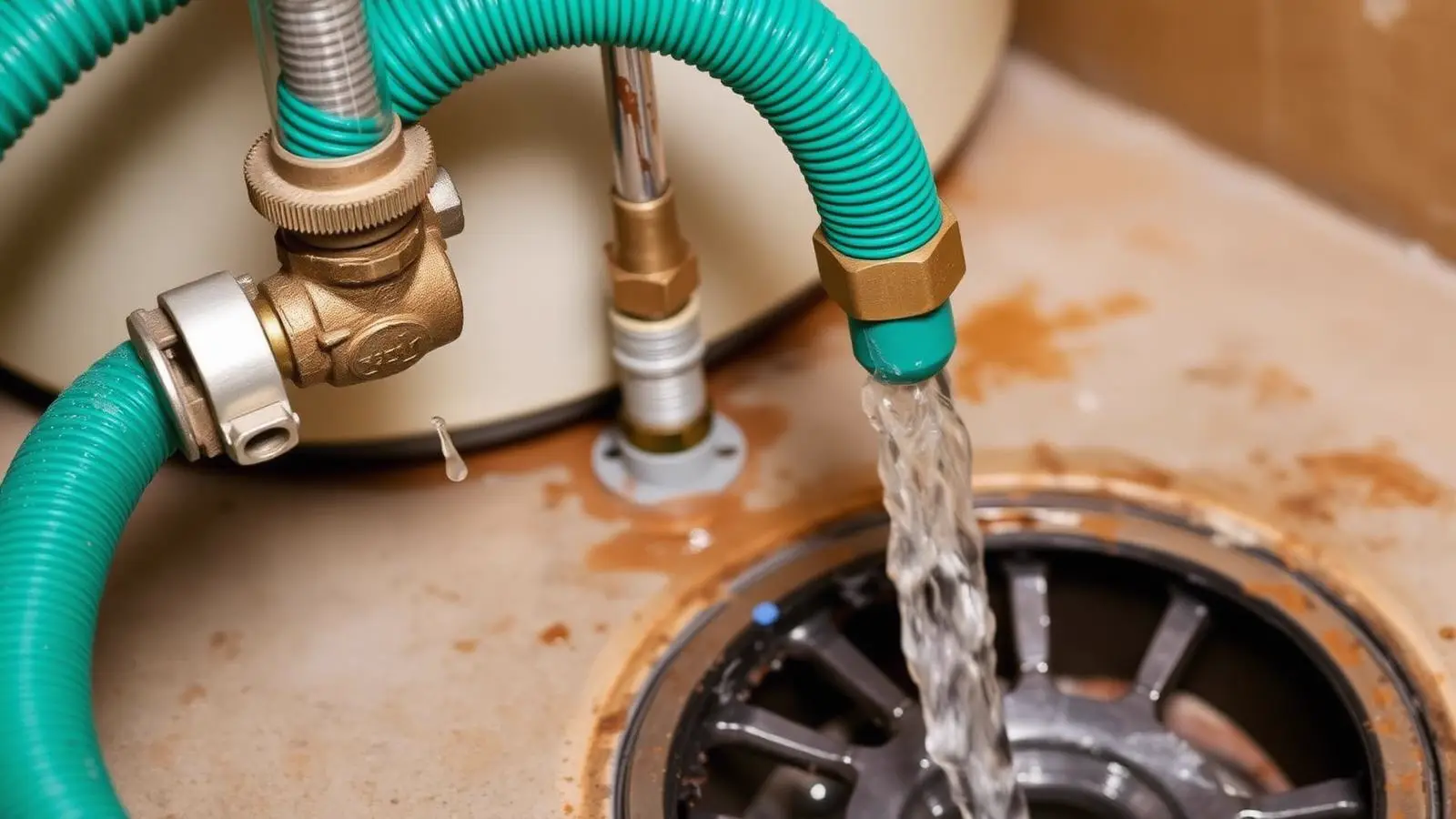
Causes, solutions and when to call a professional
Expert Answer
Popping during or right after a flush is usually disturbed sediment resettling unevenly on the tank floor, or a partial flush that stirred up debris without fully removing it. A slower, more complete flush technique usually resolves it.
How Serious Is This?
Usually Manageable
Monitor it and run the safe checks below before spending money.
Inspection Recommended
Have a professional look at it soon to prevent damage or failure.
This is the level for this problem: Repair soon.
Potentially Serious
Stop using the appliance and get professional help right away.
Most Likely Causes
- 1Sediment stirred up but not fully flushed out
- 2Air introduced into the system during the flush
- 3Partial flush technique leaving a compacted core
Safe Homeowner Checks
Drain the tank again, this time letting the cold-water supply run into the tank with the drain valve open (a 'flow-through' flush) for a full 5 minutes, watching for the water to run clear.
Takes: 8 min · Tools: Garden hose, Bucket
Drain the tank again, this time letting the cold-water supply run into the tank with the drain valve open (a 'flow-through' flush) for a full 5 minutes, watching for the water to run clear.
Expect: Water runs clear within a few minutes of flow-through flushing.
What it means: If water was still cloudy when you stopped the first flush, incomplete removal is the cause of the new popping.
Next step: Complete the flow-through flush until water runs clear, then close the valve and refill fully before restoring power/gas.
Open the nearest hot water tap fully and let it run for 2–3 minutes, listening for sputtering that smooths into a steady stream.
Takes: 3 min · Tools: None
Open the nearest hot water tap fully and let it run for 2–3 minutes, listening for sputtering that smooths into a steady stream.
Expect: A steady, sputter-free stream within a minute or two.
What it means: Sputtering that clears up confirms trapped air, not sediment, as the source of the new popping.
Next step: Run several taps briefly around the house to fully purge remaining air from the system.
During a flush, check the strength and clarity of flow from the drain valve; a full, strong stream that runs clear within a couple minutes indicates a clean flush, while weak or intermittent flow indicates a clogged or compacted valve area.
Takes: 5 min · Tools: None
During a flush, check the strength and clarity of flow from the drain valve; a full, strong stream that runs clear within a couple minutes indicates a clean flush, while weak or intermittent flow indicates a clogged or compacted valve area.
Expect: Strong, steady flow that clears within a couple minutes.
What it means: Weak or clogged flow confirms compacted sediment that a gravity flush alone isn't clearing.
Next step: Have a technician perform a flush using a wand attachment or flush pump designed to break up compacted deposits.
Need Help With a Water Heater Popping when i flush?
A qualified water-heater technician can confirm the cause on site, check the safety controls, and quote the repair before the problem gets more expensive.
Fast Request • Local Matching • No Obligation
It seems backward — you flush the tank specifically to stop the popping, and instead you hear popping during or right after the flush itself. This is actually a predictable side effect of disturbing a settled sediment bed, and it usually points to flushing technique rather than a new problem. This page covers what's happening during the flush and how to adjust your method.
Every likely cause, ranked
- #1
Sediment stirred up but not fully flushed out
Most common causeOpening the drain valve pulls water (and loose sediment) out from the bottom, but a stiff, compacted layer often doesn't fully break up on the first pass. As the tank refills and reheats, the stirred-but-not-removed sediment settles unevenly, creating fresh pockets that pop on the very next heating cycle.
This is the most common reason for post-flush popping, especially with a quick 5-minute drain-valve-only flush rather than a full fill-and-drain cycle.
Exact symptoms
- Popping noticeably increased right after a flush, rather than decreasing
- Flush was done via drain valve only, without refilling and draining more than once
- Water ran cloudy or gray, not fully clear, when the flush was stopped
Self-test (8 min) — tools: Garden hose, Bucket
Drain the tank again, this time letting the cold-water supply run into the tank with the drain valve open (a 'flow-through' flush) for a full 5 minutes, watching for the water to run clear.
Expect: Water runs clear within a few minutes of flow-through flushing.
What it means: If water was still cloudy when you stopped the first flush, incomplete removal is the cause of the new popping.
Next step: Complete the flow-through flush until water runs clear, then close the valve and refill fully before restoring power/gas.
DIY-eligible · DIY $0 · Pro $100–$175 · 20–30 minutes
- #2
Air introduced into the system during the flush
If the tank isn't fully refilled and vented (via an open hot-water tap) before power or gas is restored, air pockets can remain in the tank or heating elements. Trapped air moving as the tank refills and heats can produce popping or gurgling that sounds similar to sediment but resolves once the air clears.
Common when the flush is done quickly and the unit is powered back on before a hot tap has been opened long enough to purge air from the lines and tank top.
Exact symptoms
- Popping paired with gurgling or sputtering at the tap, not just at the tank
- Noise present for the first few uses after a flush, then fades
- Power/gas was restored soon after refilling, without much tap-running time
Self-test (3 min) — tools: None
Open the nearest hot water tap fully and let it run for 2–3 minutes, listening for sputtering that smooths into a steady stream.
Expect: A steady, sputter-free stream within a minute or two.
What it means: Sputtering that clears up confirms trapped air, not sediment, as the source of the new popping.
Next step: Run several taps briefly around the house to fully purge remaining air from the system.
DIY-eligible · DIY $0 · Pro N/A — self-resolving · 10–15 minutes
- #3
Partial flush technique leaving a compacted core
A gravity flush through the drain valve alone can leave the densest, most compacted sediment right at the tank's lowest point completely undisturbed, because water flow through a standard drain valve doesn't reach or agitate it. Popping continues because the hardest part of the deposit was never actually removed.
Applies specifically to tanks with sediment that's been building for 3+ years, where the base layer is compacted enough that a standard gravity flush isn't sufficient on its own.
Exact symptoms
- Multiple flush attempts over time with popping returning within weeks each time
- Tank hadn't been flushed in 3+ years before the first attempt
- Drain valve flow was noticeably weak or partially clogged during flushing
Self-test (5 min) — tools: None
During a flush, check the strength and clarity of flow from the drain valve; a full, strong stream that runs clear within a couple minutes indicates a clean flush, while weak or intermittent flow indicates a clogged or compacted valve area.
Expect: Strong, steady flow that clears within a couple minutes.
What it means: Weak or clogged flow confirms compacted sediment that a gravity flush alone isn't clearing.
Next step: Have a technician perform a flush using a wand attachment or flush pump designed to break up compacted deposits.
Professional repair · DIY $30–$50 (wand attachment, DIY attempt) · Pro $150–$275 · 1–1.5 hours
Symptom-to-cause table
Match what you can see, hear or smell to the cause it points at, and the safe next step for that reading.
Popping noticeably increased right after a flush, rather than decreasing
Likely cause: Sediment stirred up but not fully flushed out
Who should handle it: Homeowner, then water-heater technician
Next step: Complete the flow-through flush until water runs clear, then close the valve and refill fully before restoring power/gas.
Popping paired with gurgling or sputtering at the tap, not just at the tank
Likely cause: Air introduced into the system during the flush
Who should handle it: Homeowner, then water-heater technician
Next step: Run several taps briefly around the house to fully purge remaining air from the system.
Multiple flush attempts over time with popping returning within weeks each time
Likely cause: Partial flush technique leaving a compacted core
Who should handle it: water-heater technician
Next step: Have a technician perform a flush using a wand attachment or flush pump designed to break up compacted deposits.
Ten-minute homeowner checklist
- Drain the tank again, this time letting the cold-water supply run into the tank with the drain valve open (a 'flow-through' flush) for a full 5 minutes, watching for the water to run clear. (8 min · Garden hose, Bucket)
- Open the nearest hot water tap fully and let it run for 2–3 minutes, listening for sputtering that smooths into a steady stream. (3 min · None)
- During a flush, check the strength and clarity of flow from the drain valve; a full, strong stream that runs clear within a couple minutes indicates a clean flush, while weak or intermittent flow indicates a clogged or compacted valve area. (5 min · None)
Never open an electrical panel, relight a burner you can smell gas near, or drain a tank that is scalding hot. Stop and call a water-heater technician instead.
What this costs to fix
| Cause | DIY cost | Professional cost | Typical time | Who should repair |
|---|---|---|---|---|
| Sediment stirred but not fully removed | $0 | $100–$175 | 20–30 minutes | Homeowner or plumber |
| Trapped air introduced during flush | $0 | N/A | 10–15 minutes | Homeowner |
| Compacted sediment core (partial flush) | $30–$50 | $150–$275 | 1–1.5 hours | Water-heater technician |
Sediment stirred but not fully removed
DIY cost: $0
Professional cost: $100–$175
Typical time: 20–30 minutes
Who should repair: Homeowner or plumber
Trapped air introduced during flush
DIY cost: $0
Professional cost: N/A
Typical time: 10–15 minutes
Who should repair: Homeowner
Compacted sediment core (partial flush)
DIY cost: $30–$50
Professional cost: $150–$275
Typical time: 1–1.5 hours
Who should repair: Water-heater technician
Possible solutions you can do safely
- Use a flow-through flush (cold supply on, drain valve open) rather than a simple drain-and-close, until water runs completely clear.
- Run hot taps for 2–3 minutes after refilling and before assuming a problem — this purges trapped air.
- Repeat the flush a second time within a week if the first pass didn't run fully clear.
Fixes that usually waste money
- Assuming a flush made things worse and calling for a full tank replacement based on post-flush popping alone.
- Repeating the exact same quick drain-valve-only flush technique expecting a different result on compacted sediment.
When to Call a Professional
- A second, full flow-through flush still doesn't clear the popping.
- Drain valve flow is weak, intermittent, or appears clogged during flushing.
- Popping returns within a few weeks of each flush attempt.
- The tank is 8+ years old and has never had more than a quick drain-valve flush.
Related Home Problems
These water heater symptoms often show up with the one on this page.
why is my water heater popping
Points at the same part of the system — both problems involve the sediment.
Noises Repair soon
why is my water heater making a popping noise
Points at the same part of the system — both problems involve the sediment.
Noises Repair soon
why is my water heater making popping noises
Points at the same part of the system — both problems involve the sediment.
Noises Repair soon
why is my water heater draining so slow
Points at the same part of the system — both problems involve the partial.
Efficiency, Costs & Maintenance Usually safe to investigate
why is my water heater not draining
Points at the same part of the system — both problems involve the sediment.
Efficiency, Costs & Maintenance Usually safe to investigate
Still not sure what you are hearing or seeing? Browse the noises guides or the full water heater guide index with repair-cost ranges.
Frequently Asked Questions
Why does flushing make the popping worse before it gets better?
Flushing physically disturbs a settled sediment bed. If the flush is incomplete, the debris gets stirred into new, uneven pockets rather than removed entirely, which can produce more popping on the next cycle or two before things settle down or you flush again more thoroughly.
What's the difference between a drain-valve flush and a flow-through flush?
A drain-valve flush simply opens the valve and lets gravity empty the tank, which often can't fully clear compacted sediment. A flow-through flush keeps the cold-water supply running into the tank while the drain valve stays open, using the incoming flow to agitate and carry out more of the sediment.
Is popping after a flush a sign I did something wrong?
Not necessarily wrong, just incomplete — it's a very common outcome of a quick flush on a tank with more than a couple years of buildup. It usually means the flush needs to be repeated more thoroughly rather than that damage was done.
How long should popping last after a flush before I worry?
Air-related sputtering typically clears within a few uses over a day. Sediment-related popping from an incomplete flush that persists beyond one to two weeks, or across multiple flush attempts, warrants a professional flush with mechanical agitation.
Sources
- U.S. Department of Energy — Water Heater Maintenance — Draining and Flushing
- U.S. Department of Energy — Storage Water Heaters — Service Life and Anode Protection
Ready to get this fixed?
Tell us your ZIP code and what the heater is doing. We match your request to a local water-heater technician.
Fast Request • Local Matching • No Obligation
Published 2026-08-10 · Last reviewed 2026-08-10 · Reviewed by Why Is My Water Heater? editorial team · How we research