
why is my water heater making a knocking noise
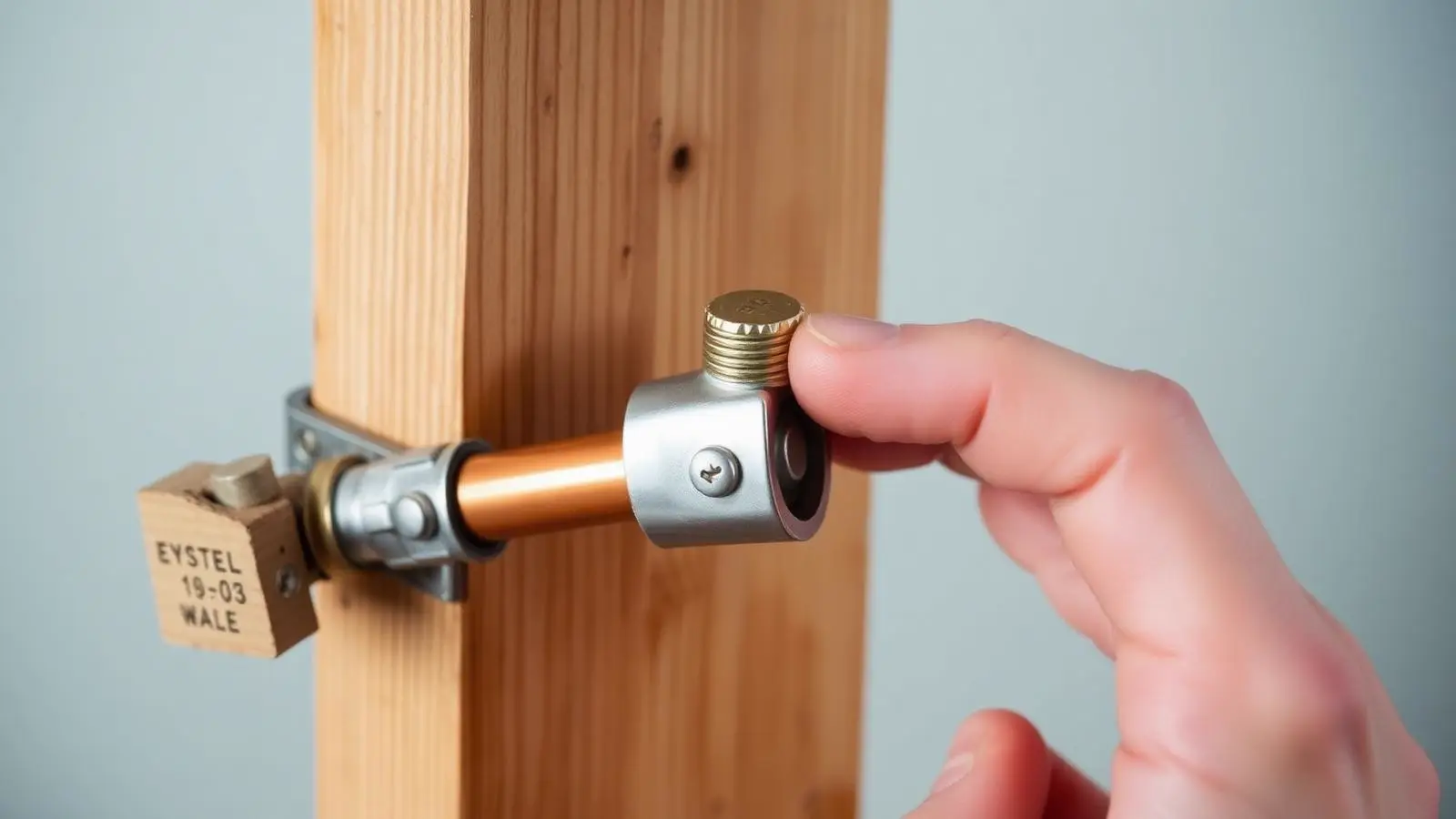
Causes, solutions and when to call a professional
Expert Answer
A single sharp knock when a valve closes is usually water hammer from a fast-closing valve or washing machine. Repeated knocking during heating is copper pipe expanding against a joist, or sediment shifting in the tank as it heats.
How Serious Is This?
Usually Manageable
Monitor it and run the safe checks below before spending money.
This is the level for this problem: Usually safe to investigate.
Inspection Recommended
Have a professional look at it soon to prevent damage or failure.
Potentially Serious
Stop using the appliance and get professional help right away.
Most Likely Causes
- 1Water hammer from a fast-closing valve or appliance
- 2Copper supply pipes expanding and rubbing against framing
- 3Sediment shifting or hardening at the tank bottom
- 4Missing or worn pipe straps letting supply lines shift under pressure
Safe Homeowner Checks
Run and then abruptly shut off each fixture and the washing machine fill cycle one at a time, listening for a knock within one second of the shutoff.
Takes: 8 min · Tools: None
Run and then abruptly shut off each fixture and the washing machine fill cycle one at a time, listening for a knock within one second of the shutoff.
Expect: A knock coincides with the closing of one specific valve or appliance.
What it means: A knock tied to one fixture confirms water hammer at that point, not a water heater problem.
Next step: Install a water hammer arrestor at the offending fixture or washing machine box.
With the access panel or basement ceiling visible, run a hot tap for two minutes and watch and feel the first few feet of pipe near the tank for movement against wood.
Takes: 6 min · Tools: Flashlight
With the access panel or basement ceiling visible, run a hot tap for two minutes and watch and feel the first few feet of pipe near the tank for movement against wood.
Expect: Visible or felt vibration/rubbing at a specific contact point.
What it means: Confirms pipe expansion noise rather than a heater or valve fault.
Next step: Slip a foam pipe insulation sleeve or rubber-lined clamp over the pipe at the contact point.
Turn off power or gas, open the drain valve into a bucket for 30 seconds, and check for gray or tan grit in the first water out.
Takes: 5 min · Tools: Bucket, Garden hose (optional)
Turn off power or gas, open the drain valve into a bucket for 30 seconds, and check for gray or tan grit in the first water out.
Expect: Clear water means little sediment; gritty, cloudy water confirms buildup.
What it means: Confirms sediment is the likely knock source and should be flushed before it accelerates tank wear.
Next step: Schedule a full tank flush; repeat annually going forward.
Locate accessible supply pipe near the heater and gently push it by hand; listen for looseness or a hollow knock against a nearby surface.
Takes: 5 min · Tools: Flashlight
Locate accessible supply pipe near the heater and gently push it by hand; listen for looseness or a hollow knock against a nearby surface.
Expect: Pipe moves more than a quarter inch or contacts a surface when pushed.
What it means: Confirms inadequate support as a contributing or standalone cause.
Next step: Add or tighten pipe straps/hangers every 6 feet on horizontal copper runs.
Need Help With a Water Heater Making a knocking noise?
A qualified licensed plumber can confirm the cause on site, check the safety controls, and quote the repair before the problem gets more expensive.
Fast Request • Local Matching • No Obligation
Knocking is a mechanical, physical sound — something is striking something else. The timing tells you where: knocks tied to a faucet or appliance shutting off point to water hammer in the pipes, while knocks that come only during the heating cycle point to the tank itself.
Every likely cause, ranked
- #1
Water hammer from a fast-closing valve or appliance
Most common causeWhen a solenoid valve on a washing machine or dishwasher, or a quick-closing fixture valve, shuts suddenly, the moving column of water slams to a stop and sends a shockwave back through the pipe, which slaps against framing.
It is the most common household knocking source and is unrelated to the water heater's health, even though the sound often travels through the pipes to the tank area.
Exact symptoms
- One or two sharp knocks right when a washing machine fill valve or a fixture shuts off
- Sound is louder near the appliance than near the tank itself
- No knocking during a heating cycle with all fixtures closed
Self-test (8 min) — tools: None
Run and then abruptly shut off each fixture and the washing machine fill cycle one at a time, listening for a knock within one second of the shutoff.
Expect: A knock coincides with the closing of one specific valve or appliance.
What it means: A knock tied to one fixture confirms water hammer at that point, not a water heater problem.
Next step: Install a water hammer arrestor at the offending fixture or washing machine box.
DIY-eligible · DIY $10–$30 per arrestor · Pro $120–$250 · 30–60 minutes
- #2
Copper supply pipes expanding and rubbing against framing
Copper pipe lengthens slightly as hot water passes through it. Where it runs through a joist hole or is stapled tight to a stud, that expansion makes the pipe scrape or knock against the wood with every heating cycle.
It reliably happens right as the burner or elements finish a cycle and the pipe near the tank is warmest, which lines up with when homeowners notice it.
Exact symptoms
- Knocking starts a few minutes after hot water use or during a standby heating cycle
- Sound seems to travel a few feet along a wall or floor joist away from the tank
- Pipe is visibly touching a joist, strap, or nail plate where accessible
Self-test (6 min) — tools: Flashlight
With the access panel or basement ceiling visible, run a hot tap for two minutes and watch and feel the first few feet of pipe near the tank for movement against wood.
Expect: Visible or felt vibration/rubbing at a specific contact point.
What it means: Confirms pipe expansion noise rather than a heater or valve fault.
Next step: Slip a foam pipe insulation sleeve or rubber-lined clamp over the pipe at the contact point.
DIY-eligible · DIY $5–$20 in pipe insulation and clamps · Pro $100–$200 · 30–45 minutes
- #3
Sediment shifting or hardening at the tank bottom
Minerals settle out of heated water and accumulate on the tank floor. As the layer thickens and partially hardens, it can shift or crack apart during heating, producing a dull knock rather than the sharper rumble or popping sediment typically causes.
Common on tanks over three to five years old on hard water that have never been flushed, especially when the sound is centered at the tank and not the pipes.
Exact symptoms
- Dull, low-pitched knock from inside the tank itself during heating
- Slightly longer time to reach set temperature
- Tank is several years old and has not been flushed
Self-test (5 min) — tools: Bucket, Garden hose (optional)
Turn off power or gas, open the drain valve into a bucket for 30 seconds, and check for gray or tan grit in the first water out.
Expect: Clear water means little sediment; gritty, cloudy water confirms buildup.
What it means: Confirms sediment is the likely knock source and should be flushed before it accelerates tank wear.
Next step: Schedule a full tank flush; repeat annually going forward.
DIY-eligible · DIY $0 (garden hose flush) · Pro $100–$200 · 45–60 minutes
- #4
Missing or worn pipe straps letting supply lines shift under pressure
Every time a valve elsewhere in the house closes, a small pressure pulse travels the pipe. Properly strapped pipe absorbs this; loose or missing straps let the pipe move enough to knock against nearby surfaces.
More common in older homes or after other plumbing work disturbed original strapping, and it produces intermittent knocks unrelated to the heater's own cycle.
Exact symptoms
- Random, irregular knocks not tied to a specific fixture or heating cycle
- Pipe visibly sags or moves when tapped by hand
- Noise worsens after any recent plumbing work
Self-test (5 min) — tools: Flashlight
Locate accessible supply pipe near the heater and gently push it by hand; listen for looseness or a hollow knock against a nearby surface.
Expect: Pipe moves more than a quarter inch or contacts a surface when pushed.
What it means: Confirms inadequate support as a contributing or standalone cause.
Next step: Add or tighten pipe straps/hangers every 6 feet on horizontal copper runs.
DIY-eligible · DIY $10–$25 in straps and hangers · Pro $100–$180 · 30–45 minutes
Symptom-to-cause table
Match what you can see, hear or smell to the cause it points at, and the safe next step for that reading.
One or two sharp knocks right when a washing machine fill valve or a fixture shuts off
Likely cause: Water hammer from a fast-closing valve or appliance
Who should handle it: Homeowner, then licensed plumber
Next step: Install a water hammer arrestor at the offending fixture or washing machine box.
Knocking starts a few minutes after hot water use or during a standby heating cycle
Likely cause: Copper supply pipes expanding and rubbing against framing
Who should handle it: Homeowner, then licensed plumber
Next step: Slip a foam pipe insulation sleeve or rubber-lined clamp over the pipe at the contact point.
Dull, low-pitched knock from inside the tank itself during heating
Likely cause: Sediment shifting or hardening at the tank bottom
Who should handle it: Homeowner, then licensed plumber
Next step: Schedule a full tank flush; repeat annually going forward.
Random, irregular knocks not tied to a specific fixture or heating cycle
Likely cause: Missing or worn pipe straps letting supply lines shift under pressure
Who should handle it: Homeowner, then licensed plumber
Next step: Add or tighten pipe straps/hangers every 6 feet on horizontal copper runs.
Ten-minute homeowner checklist
- Run and then abruptly shut off each fixture and the washing machine fill cycle one at a time, listening for a knock within one second of the shutoff. (8 min · None)
- With the access panel or basement ceiling visible, run a hot tap for two minutes and watch and feel the first few feet of pipe near the tank for movement against wood. (6 min · Flashlight)
- Turn off power or gas, open the drain valve into a bucket for 30 seconds, and check for gray or tan grit in the first water out. (5 min · Bucket, Garden hose (optional))
- Locate accessible supply pipe near the heater and gently push it by hand; listen for looseness or a hollow knock against a nearby surface. (5 min · Flashlight)
Never open an electrical panel, relight a burner you can smell gas near, or drain a tank that is scalding hot. Stop and call a licensed plumber instead.
What this costs to fix
| Cause | DIY cost | Professional cost | Typical time | Who should repair |
|---|---|---|---|---|
| Water hammer at a fixture or appliance | $10–$30 | $120–$250 | 30–60 minutes | Homeowner or licensed plumber |
| Pipe expansion against framing | $5–$20 | $100–$200 | 30–45 minutes | Homeowner or licensed plumber |
| Sediment shifting in the tank | $0 | $100–$200 | 45–60 minutes | Homeowner or water-heater technician |
| Missing or worn pipe straps | $10–$25 | $100–$180 | 30–45 minutes | Homeowner or licensed plumber |
Water hammer at a fixture or appliance
DIY cost: $10–$30
Professional cost: $120–$250
Typical time: 30–60 minutes
Who should repair: Homeowner or licensed plumber
Pipe expansion against framing
DIY cost: $5–$20
Professional cost: $100–$200
Typical time: 30–45 minutes
Who should repair: Homeowner or licensed plumber
Sediment shifting in the tank
DIY cost: $0
Professional cost: $100–$200
Typical time: 45–60 minutes
Who should repair: Homeowner or water-heater technician
Missing or worn pipe straps
DIY cost: $10–$25
Professional cost: $100–$180
Typical time: 30–45 minutes
Who should repair: Homeowner or licensed plumber
Possible solutions you can do safely
- Install a water hammer arrestor near the washing machine box or offending fixture.
- Wrap foam pipe insulation around copper pipe where it touches a joist or stud.
- Flush the tank through the drain valve to clear loose sediment.
- Add pipe straps every 6 feet on accessible horizontal runs near the heater.
Fixes that usually waste money
- Replacing the water heater for a knock that self-tests confirm is fixture-side water hammer.
- Chemical descaling additives poured into the tank — they do not remove settled sediment and can react with anode metal.
- Re-piping an entire supply line when a single arrestor or clamp solves the noise.
When to Call a Professional
- Knocking is accompanied by a leak, rust-colored water, or a bulging tank.
- The knock is loud and rhythmic even with every fixture in the house closed.
- A flush does not reduce the noise and the tank is over eight years old.
- Pipe straps are inaccessible behind finished walls or ceilings.
Related Home Problems
These water heater symptoms often show up with the one on this page.
why is my water heater knocking
Points at the same part of the system — both problems involve the knocking.
Noises Usually safe to investigate
why is my water heater making loud noises
Points at the same part of the system — both problems involve the sediment.
Noises Repair soon
why is my water heater popping
Points at the same part of the system — both problems involve the sediment.
Noises Repair soon
why is my water heater vibrating
Points at the same part of the system — both problems involve the pipes.
Noises Usually safe to investigate
why is my water heater gurgling
Points at the same part of the system — both problems involve the sediment.
Noises Usually safe to investigate
Still not sure what you are hearing or seeing? Browse the noises guides or the full water heater guide index with repair-cost ranges.
Frequently Asked Questions
Is a knocking water heater dangerous?
Knocking alone is a mechanical noise, not a safety hazard. It becomes a concern only if it's paired with a leak, rust in the water, or a visibly deformed tank, which point to internal corrosion rather than simple water hammer or sediment.
Will flushing the tank stop the knocking?
If the knock is a dull thump from inside the tank during heating, flushing out loose sediment often resolves it within one cycle. If the knock is tied to a fixture shutting off elsewhere in the house, flushing the tank will not help.
Why does the knocking only happen at night?
Water pressure in many municipal systems rises overnight when demand drops, which can trigger water hammer at valves that closed without issue during the day. It can also be when the tank's standby heating cycle runs uninterrupted, making pipe expansion knocks more noticeable in a quiet house.
Can I ignore the knocking if it isn't getting worse?
A steady, unchanging knock tied to a specific fixture or a known sediment layer is generally safe to leave for now, though flushing sediment annually prevents it from worsening. A knock that grows louder or spreads to more of the piping is worth investigating before it becomes a bigger repair.
Sources
- International Code Council — International Plumbing Code, Section 604.9 — Water Hammer
- U.S. Department of Energy — Water Heater Maintenance
Ready to get this fixed?
Tell us your ZIP code and what the heater is doing. We match your request to a local licensed plumber.
Fast Request • Local Matching • No Obligation
Published 2026-08-10 · Last reviewed 2026-08-10 · Reviewed by Why Is My Water Heater? editorial team · How we research