
why is my water heater gurgling
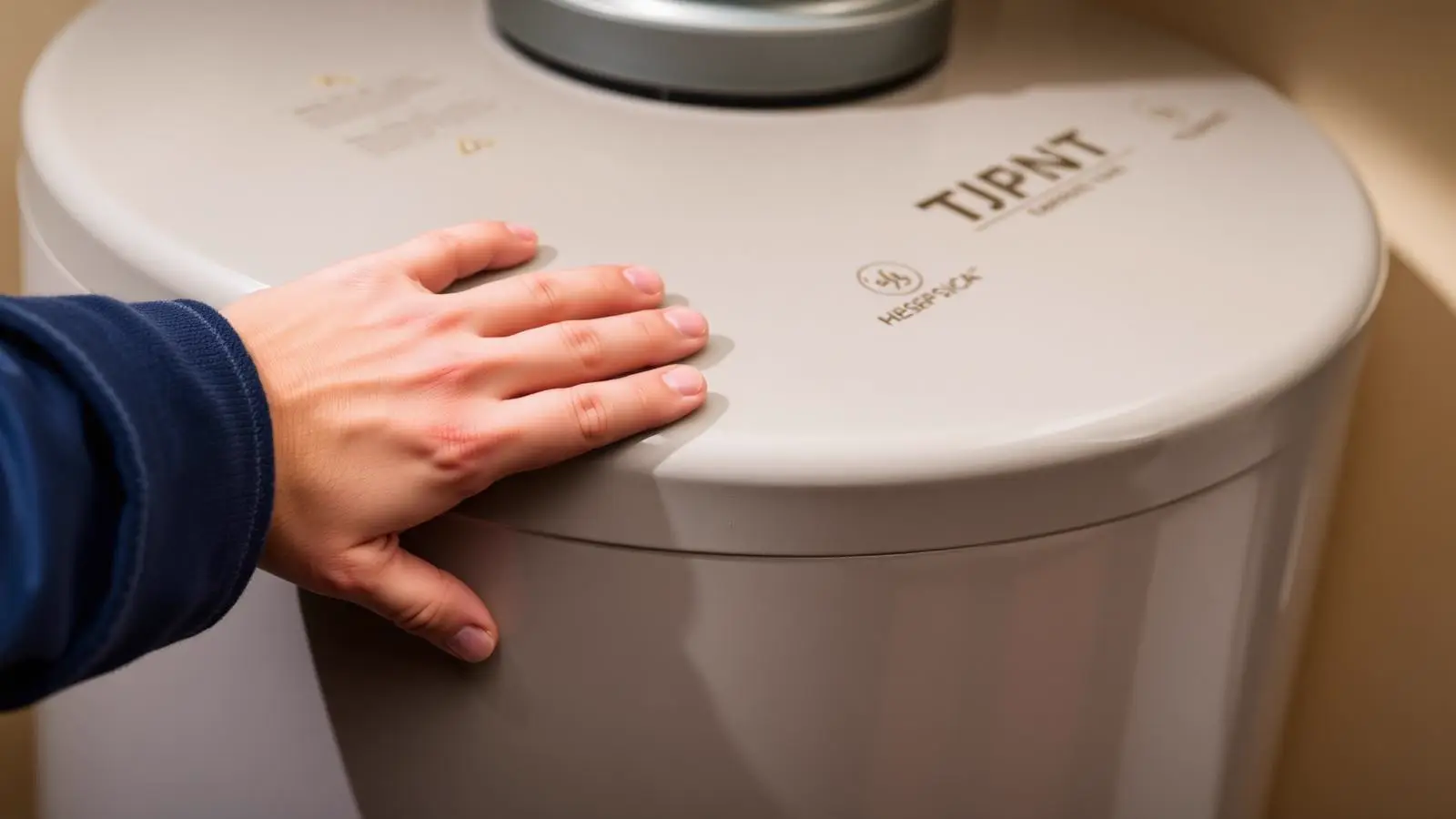
Causes, solutions and when to call a professional
Expert Answer
Gurgling most often comes from steam pockets bubbling up through a layer of sediment on the tank bottom, or trapped air moving through the pipes. On a T&P discharge or overflow pipe, gurgling can signal an airlock or a partial blockage.
How Serious Is This?
Usually Manageable
Monitor it and run the safe checks below before spending money.
This is the level for this problem: Usually safe to investigate.
Inspection Recommended
Have a professional look at it soon to prevent damage or failure.
Potentially Serious
Stop using the appliance and get professional help right away.
Safety warning
If gurgling is paired with popping, rumbling and the tank feels unusually hot or the T&P valve is discharging, treat it as a pressure-safety issue and shut off power/gas and the cold-water supply until it's inspected.
Most Likely Causes
- 1Steam bubbling through sediment on the tank bottom
- 2Trapped air in the hot-water supply lines
- 3Airlock in the drain, condensate, or overflow line
Safe Homeowner Checks
Drain one to two gallons from the drain valve into a clear container and check for grey or white grit and cloudiness.
Takes: 5 min · Tools: Garden hose or clear bucket, Gloves
Drain one to two gallons from the drain valve into a clear container and check for grey or white grit and cloudiness.
Expect: Water runs clear with no visible sediment.
What it means: Cloudy water with visible grit confirms a sediment layer causing the gurgling.
Next step: Schedule a full tank flush; if sediment is heavy, flush in several short stages to avoid clogging the drain valve.
Water from the drain valve can be scalding — wear gloves and avoid direct contact.
Open the highest hot-water fixture in the house fully for two to three minutes and listen for the gurgling to smooth out into a steady flow.
Takes: 4 min · Tools: None
Open the highest hot-water fixture in the house fully for two to three minutes and listen for the gurgling to smooth out into a steady flow.
Expect: Gurgling and sputtering fade within a few minutes as air clears.
What it means: Fading gurgling confirms trapped air working its way out of the lines.
Next step: Run each hot fixture in the house briefly, starting with the highest one, to purge remaining air.
Visually trace the condensate or overflow line from the heater to the drain, checking for any dip, sag, or upward loop in the pipe run using a flashlight.
Takes: 6 min · Tools: Flashlight
Visually trace the condensate or overflow line from the heater to the drain, checking for any dip, sag, or upward loop in the pipe run using a flashlight.
Expect: The line slopes continuously downward to the drain with no low spots.
What it means: A sagging or looped section confirms an airlock point that needs re-routing or support.
Next step: Have the line re-sloped and properly supported; a temporary fix is adding a support strap under any sag.
Need Help With a Water Heater Gurgling?
A qualified licensed plumber can confirm the cause on site, check the safety controls, and quote the repair before the problem gets more expensive.
Fast Request • Local Matching • No Obligation
Gurgling is a fluid-and-gas sound, distinct from the metallic pops and knocks of sediment rumbling. It means air or steam is moving through liquid somewhere in the system — inside the tank, in the supply lines, or in a drain path. Location matters: gurgling from the tank itself has a different cause and fix than gurgling from a nearby drain or overflow pipe.
Every likely cause, ranked
- #1
Steam bubbling through sediment on the tank bottom
Most common causeMinerals from hard water settle and bake onto the tank floor and around the lower element or burner. As the heat source fires, steam pockets form under and within this sediment layer and escape upward through the water in bursts, creating a gurgling or bubbling sound layered under any popping.
It's extremely common in areas with hard water and tanks that haven't been flushed in over a year, and it's usually the same root cause as popping and rumbling noises.
Exact symptoms
- Gurgling comes from inside the tank body, loudest low down
- Often paired with occasional popping or knocking sounds
- Recovery time (how fast the tank reheats) has gotten slower
Self-test (5 min) — tools: Garden hose or clear bucket, Gloves
Drain one to two gallons from the drain valve into a clear container and check for grey or white grit and cloudiness.
Expect: Water runs clear with no visible sediment.
What it means: Cloudy water with visible grit confirms a sediment layer causing the gurgling.
Next step: Schedule a full tank flush; if sediment is heavy, flush in several short stages to avoid clogging the drain valve.
Water from the drain valve can be scalding — wear gloves and avoid direct contact.
DIY-eligible · DIY $0 (garden hose flush) to $40 for a flush pump kit · Pro $100–$220 · 1–2 hours
- #2
Trapped air in the hot-water supply lines
After any plumbing work, a tank refill, or a period with the water shut off, air pockets can get trapped in the pipe runs between the heater and fixtures. As water pushes past these pockets, it produces intermittent gurgling at faucets or near the heater itself.
Very common right after installation, a repair, or a municipal water shutoff, and it typically resolves within a day or two of normal use.
Exact symptoms
- Gurgling happens at faucets, not just at the tank
- Sputtering or spitting from the tap along with the noise
- Started right after plumbing work, a power outage, or a water shutoff
Self-test (4 min) — tools: None
Open the highest hot-water fixture in the house fully for two to three minutes and listen for the gurgling to smooth out into a steady flow.
Expect: Gurgling and sputtering fade within a few minutes as air clears.
What it means: Fading gurgling confirms trapped air working its way out of the lines.
Next step: Run each hot fixture in the house briefly, starting with the highest one, to purge remaining air.
DIY-eligible · DIY $0 · Pro Not applicable · 15–30 minutes
- #3
Airlock in the drain, condensate, or overflow line
Condensate lines on high-efficiency gas units, and overflow pipes from the T&P valve or a pan, can develop airlocks where a low spot or improper slope traps air, causing water to gurgle as it tries to push past on its way to the drain.
Common on condensing gas units and any installation where the discharge or condensate line wasn't sloped correctly during installation.
Exact symptoms
- Gurgling comes from a pipe near the floor, not the tank body
- Sound happens specifically during or right after a heating cycle on condensing units
- Slow or intermittent dripping from the same line
Self-test (6 min) — tools: Flashlight
Visually trace the condensate or overflow line from the heater to the drain, checking for any dip, sag, or upward loop in the pipe run using a flashlight.
Expect: The line slopes continuously downward to the drain with no low spots.
What it means: A sagging or looped section confirms an airlock point that needs re-routing or support.
Next step: Have the line re-sloped and properly supported; a temporary fix is adding a support strap under any sag.
Professional repair · DIY Not applicable · Pro $120–$250 · 1 hour
Symptom-to-cause table
Match what you can see, hear or smell to the cause it points at, and the safe next step for that reading.
Gurgling comes from inside the tank body, loudest low down
Likely cause: Steam bubbling through sediment on the tank bottom
Who should handle it: Homeowner, then licensed plumber
Next step: Schedule a full tank flush; if sediment is heavy, flush in several short stages to avoid clogging the drain valve.
Gurgling happens at faucets, not just at the tank
Likely cause: Trapped air in the hot-water supply lines
Who should handle it: Homeowner, then licensed plumber
Next step: Run each hot fixture in the house briefly, starting with the highest one, to purge remaining air.
Gurgling comes from a pipe near the floor, not the tank body
Likely cause: Airlock in the drain, condensate, or overflow line
Who should handle it: licensed plumber
Next step: Have the line re-sloped and properly supported; a temporary fix is adding a support strap under any sag.
Ten-minute homeowner checklist
- Drain one to two gallons from the drain valve into a clear container and check for grey or white grit and cloudiness. (5 min · Garden hose or clear bucket, Gloves)Water from the drain valve can be scalding — wear gloves and avoid direct contact.
- Open the highest hot-water fixture in the house fully for two to three minutes and listen for the gurgling to smooth out into a steady flow. (4 min · None)
- Visually trace the condensate or overflow line from the heater to the drain, checking for any dip, sag, or upward loop in the pipe run using a flashlight. (6 min · Flashlight)
Never open an electrical panel, relight a burner you can smell gas near, or drain a tank that is scalding hot. Stop and call a licensed plumber instead.
What this costs to fix
| Cause | DIY cost | Professional cost | Typical time | Who should repair |
|---|---|---|---|---|
| Steam bubbling through sediment | $0–$40 | $100–$220 | 1–2 hours | Homeowner or water-heater technician |
| Trapped air in supply lines | $0 | Not applicable | 15–30 minutes | Homeowner |
| Airlock in drain/condensate/overflow line | Not applicable | $120–$250 | 1 hour | Licensed plumber |
Steam bubbling through sediment
DIY cost: $0–$40
Professional cost: $100–$220
Typical time: 1–2 hours
Who should repair: Homeowner or water-heater technician
Trapped air in supply lines
DIY cost: $0
Professional cost: Not applicable
Typical time: 15–30 minutes
Who should repair: Homeowner
Airlock in drain/condensate/overflow line
DIY cost: Not applicable
Professional cost: $120–$250
Typical time: 1 hour
Who should repair: Licensed plumber
Possible solutions you can do safely
- Flush the tank through the drain valve to remove sediment causing steam pockets.
- Run the highest hot-water fixture in the house for a few minutes to purge trapped air after any plumbing work.
- Visually check that condensate and overflow lines slope continuously downhill with no sagging sections.
Fixes that usually waste money
- Replacing the tank for gurgling alone when a flush hasn't been tried first — sediment removal resolves most cases.
- Adding pipe insulation to quiet gurgling caused by trapped air, which does nothing for the actual air pocket.
- Repeatedly re-routing a condensate line without first confirming the slope with a level — guessing wastes labor cost.
When to Call a Professional
- Flushing the tank doesn't resolve the gurgling within a few days.
- Gurgling from a condensate or overflow line is paired with visible water pooling at the base of the heater.
- Gurgling is accompanied by loud popping, rumbling, or a T&P valve that's discharging.
- You can't identify whether the sound is coming from the tank, supply lines, or a drain line.
Related Home Problems
These water heater symptoms often show up with the one on this page.
why is my water heater popping
Points at the same part of the system — both problems involve the sediment.
Noises Repair soon
why is my water heater hissing
Points at the same part of the system — both problems involve the line.
Noises Dangerous — act now
why is my water heater overflow pipe dripping
Points at the same part of the system — both problems involve the after.
Leaks & Water Pressure Repair soon
why is my water heater not draining
Points at the same part of the system — both problems involve the sediment.
Efficiency, Costs & Maintenance Usually safe to investigate
why is my water heater draining so slow
Points at the same part of the system — both problems involve the sediment.
Efficiency, Costs & Maintenance Usually safe to investigate
Still not sure what you are hearing or seeing? Browse the noises guides or the full water heater guide index with repair-cost ranges.
Frequently Asked Questions
Is gurgling from a water heater dangerous?
On its own, no — it's typically steam moving through sediment or air working through pipes. It becomes a bigger concern only if it's paired with popping, an overheating tank, or a discharging T&P valve, which point to a pressure or sediment buildup issue worth addressing promptly.
Why does my water heater gurgle right after I refill it?
Air trapped in the tank and supply lines during the refill has to work its way out through the faucets as water flows. This typically clears up within the first day of normal hot-water use.
Will flushing my water heater stop the gurgling?
If the gurgling is caused by steam bubbling through sediment on the tank floor, a full flush usually resolves it immediately. If it persists after a thorough flush, the sound is more likely trapped air or an airlock elsewhere in the piping.
Why does my condensing gas water heater gurgle during heating?
High-efficiency condensing units produce condensate that drains out through a dedicated line. If that line has a low spot or isn't sloped properly, air and water can gurgle as they try to move past it — a plumber can correct the slope.
Sources
- U.S. Department of Energy — Water Heater Maintenance
- International Code Council — International Plumbing Code — Water Distribution and Condensate Piping
Ready to get this fixed?
Tell us your ZIP code and what the heater is doing. We match your request to a local licensed plumber.
Fast Request • Local Matching • No Obligation
Published 2026-08-10 · Last reviewed 2026-08-10 · Reviewed by Why Is My Water Heater? editorial team · How we research